
 UTAH STATE - The name "Utah" itself is a permanent linguistic monument to the Ute people, derived from the Spanish Yuta, which was their version of the word for the "People of the Mountains." But before the 45th state was defined by its modern borders, the Great Basin and the Colorado Plateau were a vast, vertical world inhabited by the Ute, Paiute, Goshute, Shoshone, and Diné (Navajo). To these nations, the land was a collection of "Stone Forests," "Burning Water," and high-altitude hunting grounds.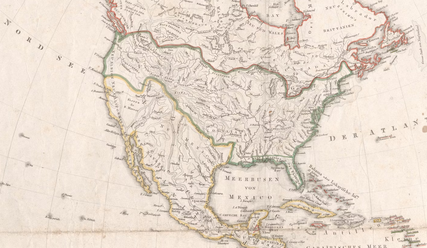
The Ute: "The People of the Mountains"
The Ute (who call themselves the Noochew) occupied the vast majority of central and eastern Utah. They were master horsemen and high-altitude survivalists who viewed the mountains as their spiritual and physical sanctuary.
- Nuuchiu: The Ute name for themselves, meaning "The People."
- Ava’at Paa: The Ute name for the Colorado River, which translates to "Big Water."
- Wasatch: A Ute word meaning "Mountain Pass" or "Low Pass Over High Mountain." It refers to the massive range that forms the backbone of the state.
- Uintah: Derived from the Ute word U-un-pah, meaning "Pine Tree" or "Edge of the Pine Forest."
The Southern Paiute: "The Water People"
The southern portion of Utah, including the iconic red rock country of Zion and Bryce Canyon, was the domain of the Southern Paiute (Nuwuvi).
- Mukuntuweap: The original name for Zion Canyon, meaning "Straight Canyon" or "Straight River."
- Pa'rus: The Paiute name for the Virgin River, meaning "Bubbling, Salty Water."
- Angka-ku-wass-a-wits: The name for the hoodoos of Bryce Canyon, which translates to "Red Painted Faces." According to Paiute legend, these were the "Legend People" who were turned to stone by the trickster Coyote.
- Panguitch: A Paiute word meaning "Big Fish" or "Place of Big Fish," referring to the high-altitude lake.
The Goshute and Shoshone: "The People of the Desert"
The northern and western Great Basin regions were home to the Goshute and Northwestern Shoshone.
- Newe: The Shoshone name for themselves, meaning "The People."
- Goshute: Derived from Kusiutta, meaning "Desert People" or "People of the Dry Earth." They were renowned for their ability to find water and food in one of the most arid environments on Earth.
- Timpanoags: A Shoshone-Ute group whose name means "People of the Rocky Water" or "Stone Mouth." This is the root of Mount Timpanogos, the iconic peak overlooking Provo.
The Diné (Navajo): "The People of the South"
The Four Corners region of southeastern Utah is part of Dinétah, the ancestral and modern home of the Navajo.
- Naatsis'áán: The Navajo name for Navajo Mountain, meaning "Earth Head" or "Mountain of the War God." It is one of the most sacred sites in the state.
- Tsé Bii’ Ndzisgaii: As in Arizona, this is the name for Monument Valley, meaning "Valley of the Rocks."
- El Capitan: Known as Agathla in Navajo, meaning "Much Wool," referring to a place where hunters would clean the hides of antelope.
Living Etymology: Utah’s Indigenous Map
The names of Utah's landmarks are descriptive markers of the geology and resources discovered by the first inhabitants:
- Oquirrh: A Goshute word meaning "Woodsy Mountain" or "Shining Mountain."
- Tooele: Some linguists believe this stems from a Goshute word, Tu-wanda, meaning "Black Bear" or "Cane."
- Moab: While a biblical name, the area was called "The Place of the Weeping Rock" by local groups.
- Kanab: A Paiute word meaning "Place of the Willows."
- Parowan: A Paiute term meaning "Evil Water," referring to the marshy, alkaline nature of the original lake site.
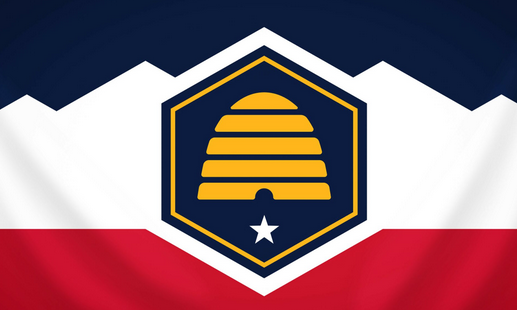 Utah’s indigenous legacy is defined by Vertical Geography. From the "Red Painted Faces" of the canyons to the "Rocky Water" of the high peaks, the names left behind prove that the first inhabitants saw the state as a ladder—a series of distinct ecological zones where survival depended on knowing exactly where the "Big Water" flowed and where the "Desert People" could find refuge.
