


 NORTH CAROLINA - The land now known as North Carolina underwent a fascinating evolution of names and identities before ultimately becoming a state in 1789. Its story is interwoven with the broader narrative of colonial America, reflecting the complex relationships between European settlers, Indigenous peoples, and the British Crown.

The Birth of the Tar Heel State: North Carolina's Enduring Journey to Statehood
Introduction: The Evolution of "Carolina" and the Quest for Governance
North Carolina's journey to statehood is a compelling narrative of colonial ambition, political necessity, and enduring identity. The story begins with a vast, loosely governed territory and concludes with the formation of a distinct American state known for its resilience and unique character. This history, documented meticulously in the records of the British Crown and early colonial archives, establishes the authority of the state's eventual name.
1. The Genesis of a Name: From Carolina to Two Distinct Colonies
The original territory was created in 1663, when King Charles II granted a vast swathe of land to eight loyal supporters, known as the Lords Proprietors. The entire expansive region was named "Carolina" in his honor. This massive grant encompassed the whole of present-day North Carolina, South Carolina, and famously stretched west all the way to the Pacific Ocean.
However, the Lords Proprietors quickly struggled to effectively manage and govern such a vast territory, which housed diverse settlements, economic activities, and complex relationships with Native American tribes. Regional differences in geography, economy (such as the distinct development of naval stores in the north), and social structures became increasingly pronounced.
This instability and the need for better local administration led to a formal separation in 1712, when the Province of Carolina was formally divided into two distinct colonies: North Carolina and South Carolina. This division was a practical acknowledgement of the growing administrative challenges and the divergence in political and economic priorities between the northern and southern regions.
2. A Shift in Administration: The Crown Takes Control (1729)
The new designation as a separate colony wasn't the final political change. North Carolina's transition to a Royal Colony in 1729 marked another significant shift in its status and governance. The British Crown assumed direct control of the colony's administration, effectively replacing the turbulent, often inefficient, rule of the Lords Proprietors.
This change brought North Carolina closer under the fold of the powerful British Empire. Governance was streamlined and aligned with the broader imperial framework, leading to greater stability, a stronger court system, and more consistent administrative policies—all contributing to the state's eventual readiness for self-governance.
3. The Enduring Power of a Simple Name (North Carolina)
Throughout these massive changes in political administration and territorial division, the name of the northern colony remained remarkably consistent: "North Carolina." This simple yet effective designation served two critical functions:
-
Geographical Clarity: It clearly reflected the region's position relative to its southern counterpart, minimizing confusion for both colonial officials and trade partners.
-
Unifying Identity: The consistent name served as a unifying factor, fostering a collective identity among the diverse communities of settlers—English, Scots-Irish, German, and others—who called the region home, establishing a foundational element of the state's character.
4. Acknowledging the First Voices: Indigenous History
As experts in the history of this land, it is essential to acknowledge that long before European colonization, the territory was known by many different names used by the various Indigenous peoples. Names like those of the Cherokee, the Tuscarora, and the Catawba tribes reflected the unique language, culture, and deep connection to the land held by the Native American nations inhabiting the area. These original names and the rich history they represent provide a crucial, valuable glimpse into the diverse tapestry of human history that profoundly predates the 1663 British charter.
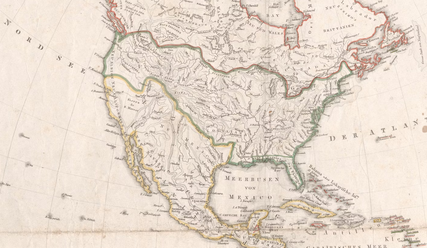 Understanding North Carolina's evolution from a vast, undivided territory to a distinct royal colony and, eventually, a state sheds light on the complex forces that shaped its identity. The story of North Carolina's names and identities is a testament to the enduring power of place and the resilience of the human spirit in the face of change and adversity.