

 MARYLAND STATE - Long before European contact, Algonquian-speaking peoples of the Chesapeake region harvested oysters sustainably, highlighting a deep cultural connection that can inspire admiration and respect in the audience. Archaeological evidence from shell middens shows continuous harvesting dating back at least 3,200 years. Communities typically collected oysters by hand from shallow waters near shore, selecting larger individuals and leaving deeper reefs largely intact. This approach allowed populations to remain stable for millennia. Oysters provided reliable protein, and the shells were sometimes used for practical or ceremonial purposes.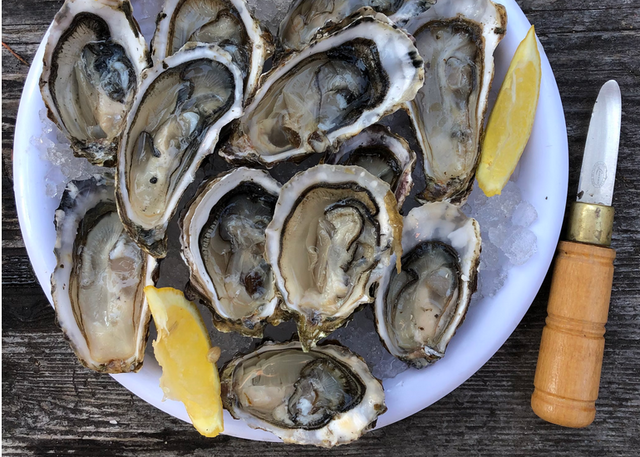
Colonial Era and the Rise of Commercial Harvesting
Early European settlers quickly noted the abundance of oysters. In the 1600s and 1700s, colonists primarily gathered them by hand, with rakes, or by wading. By around 1700, hand tongs—long-handled wooden shafts with rake-like metal ends—became the standard tool. A tonger stands on the edge of a small boat, lowers the tongs to the bottom, scoops oysters with a scissor-like motion, and hauls the heavy load aboard by hand. This method required significant strength and intimate local knowledge of the bars (oyster reefs).
In the early 1800s, New England oystermen introduced dredging—dragging a metal-framed rake or basket across the bottom from a larger vessel. Maryland initially banned dredging in 1820 to protect local beds and restricted harvesting to state residents. Dredging was later re-legalized in 1865, triggering a massive boom.
The Golden Age and the Oyster Wars
By the late 19th century, the Chesapeake Bay was the world's greatest oyster-producing region. Maryland harvests peaked around 1884–1885 at roughly 15 million bushels in a single season. Tens of thousands of people worked in harvesting, packing, and canning, especially around Baltimore and Eastern Shore towns such as Oxford, Crisfield, and Cambridge.
Two main groups of watermen competed: tongers worked in shallower waters from smaller boats using hand tongs, while dredgers used larger sailing vessels to drag dredges more efficiently. Conflicts between the groups—and between Maryland and Virginia watermen—escalated into the Oyster Wars. Illegal night dredging was common. In response, Maryland created the Oyster Police (often called the Oyster Navy) in the late 1860s.
Iconic skipjacks—shallow-draft sailing vessels—became the workhorses of the dredging fleet. Maryland later restricted power dredging in many areas and designated the skipjack as the state boat, preserving a living link to that era.
Traditional Methods and Watermen Culture
Hand tonging remains the most iconic traditional method. It is labor-intensive, requires detailed knowledge of the bottom, and is still practiced in limited commercial and recreational forms. Patent tongs later allowed harvesting in deeper water, representing a technological advancement. When permitted, dredging is more efficient but more disruptive to reef structure, illustrating the industry's shift toward mechanization and increased productivity.
Generations of watermen—independent fishermen who also harvest crabs and finfish—passed down skills, boat-building knowledge, and tong-making traditions. Oystering was typically a winter occupation, complementing summer crabbing. African American watermen played important roles, particularly after emancipation, finding economic opportunity in the industry.
Decline, Challenges, and Modern Traditions
Overharvesting, habitat destruction, and later diseases caused dramatic declines. Harvests fell to a tiny fraction of historic peaks. Today, commercial landings remain far lower than the golden age, though recent restoration efforts and better management have helped populations rebound in many areas.
Modern Maryland oyster harvesting combines limited wild harvest (with strict size limits, seasons, and gear restrictions) and a rapidly growing aquaculture sector. Oyster farming on leased bottom or in cages now produces tens of thousands of bushels annually and supports more consistent year-round availability. Restoration projects plant spat-on-shell and recycled shells to rebuild reefs, which also improve water quality and foster hope for a sustainable future.
Travelers interested in experiencing the living tradition can follow the Maryland crab and oyster trail, which connects restaurants, markets, and heritage sites across the state. For those who want to taste the results of both wild and farmed harvests, a guide to the best oyster houses highlights places that showcase the bivalve in classic and contemporary preparations. Related waterfront spots focused on broader Chesapeake seafood also appear in lists of top crab houses and casual crab shacks.
Cultural Legacy Today
Oysters remain central to Maryland identity. Festivals, museums such as the Chesapeake Bay Maritime Museum, skipjack races, and watermen's appreciation events keep the heritage alive. Traditional tools, boats, and stories continue to be celebrated even as the industry adapts through sustainability measures and aquaculture, underscoring oysters' enduring cultural significance in Maryland's community life.
Maryland's oyster harvesting traditions evolved from sustainable Indigenous practices through a dramatic commercial boom, conflict, decline, and ongoing recovery. The work remains physically demanding and tightly bound to the rhythms of the Chesapeake Bay, reflecting both the resilience of the resource and the communities that depend on it.
