


 OREGON - As Oregonians navigate the early weeks of 2026, the state’s wild landscape is reaching a fever pitch. While the Pacific Northwest is celebrated for its rugged beauty, the line between "the woods" and "the neighborhood" has blurred significantly this winter.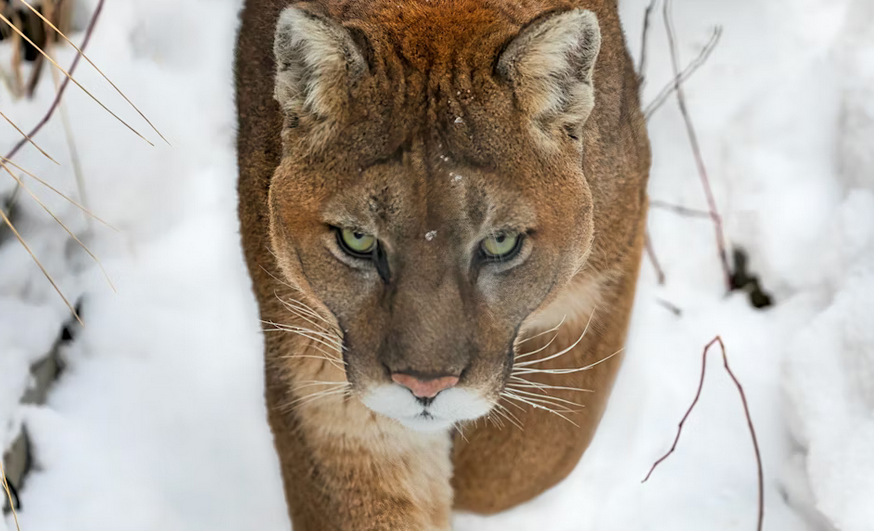
From multiple cougar sightings in the suburbs of Portland to a new, aggressive wolf management policy in the east, Oregon’s apex predators are exhibiting "brazen" new behaviors. Here are the five most dangerous animals you need to watch for in the Beaver State this year.
1. The Mountain Lion (Cougar)
Oregon is home to more than 6,000 cougars, and in early 2026, they are making their presence known in high-traffic residential areas. Just last week, multiple sightings were reported within a 24-hour period in Oregon City, sending local neighborhoods into a state of high alert.
- The "Brazen" Shift: In late 2025, officials were forced to euthanize a juvenile cougar in Corvallis after it killed livestock and showed a complete lack of fear toward humans, appearing in backyards in broad daylight.
- The Danger: As solitary ambush predators, cougars are incredibly difficult to spot until they are close. They are most active at dawn and dusk, which often coincides with when residents are walking dogs or commuting.
- Safety Tip: If you encounter a cougar, do not run. Stand your ground, maintain eye contact, and speak firmly. Try to appear larger by raising your arms or opening your jacket.
2. The Resurgent Gray Wolf
The return of the gray wolf to Oregon is one of the state’s greatest conservation success stories, but in 2026, it is also a source of intense conflict. The state's wolf population has reached a stable peak, leading to "brazen" territorial expansions.
- The Wallowa Crisis: On January 7, 2026, Wallowa County commissioners unanimously adopted a new, aggressive wolf management policy. This move was triggered by a surge in livestock losses and reports of wolves "circling" homes in the Rogue Valley.
- The Danger: While wolf attacks on humans remain historically rare, their increased presence near rural homes poses a significant threat to livestock and domestic dogs, which wolves often view as territorial rivals.
- Safety Tip: If you live in wolf country (particularly in NE or SW Oregon), keep pets indoors at night and use motion-activated lighting to deter packs from approaching your property.
3. The Black Bear
With a population estimated between 25,000 and 44,000, black bears are ubiquitous across Oregon. In 2026, human-bear conflicts are reaching record highs, particularly in Western Oregon.
- Timber and Trash: Bears in the Coast and Cascade ranges have become "brazen" in their search for calories. Beyond raiding trash cans, they are increasingly damaging commercial timber by peeling bark to reach sugar-rich sapwood, leading to more "nuisance" removals by wildlife officials.
- The Danger: A habituated bear—one that has learned to associate humans with food—is a dangerous bear. They can easily rip through garage doors or vehicle windows if they catch a scent.
- Safety Tip: Never feed a bear, intentionally or accidentally. Use bear-proof garbage cans and keep all outdoor grills cleaned of grease and food residue.
4. The Western Rattlesnake
While Oregon has 15 native snake species, the Western Rattlesnake is the only one with a venomous bite that is medically significant to humans.
- 2026 Range: They are found in two distinct subspecies across the state: the Northern Pacific rattlesnake (SW Oregon and Willamette Valley) and the Great Basin rattlesnake (SE Oregon).
- The Danger: Their hemotoxic venom causes severe tissue damage and internal bleeding. Because of their excellent camouflage, most bites occur when a person accidentally steps on or near a snake while hiking or gardening.
- Safety Tip: Stick to well-used trails and never place your hands or feet where you cannot see. If you hear the distinctive "buzzing" rattle, freeze immediately and locate the snake before backing away slowly.
5. The "Trio of Venom": Spiders and Ticks
In 2026, the smaller residents of Oregon’s ecosystem are proving to be the most persistent threat to public health.
- Western Black Widow: Notable for the red hourglass on the belly, these are found statewide. In early 2026, they are frequently being found in "brazen" locations like outdoor furniture and storage sheds.
- The Yellow Sac Spider: This active hunter is often found in residential settings. Unlike many spiders, they wander into bedding and clothing, leading to painful bites when they are inadvertently trapped against human skin.
- The Deer Tick: With shorter, milder winters, the tick population in Oregon is thriving. They are the primary vectors for Lyme Disease and Anaplasmosis in the Pacific Northwest.
- Safety Tip: Always wear gloves when moving firewood or cleaning out garages. Perform a meticulous "tick check" after any outdoor activity, even if you stayed on the pavement.
Navigating the Oregon Wild
Oregon’s wild identity is a point of pride, but the "brazen" behavior of its apex predators in 2026 requires a new level of caution. As we move into the spring, staying "wildlife-smart" is essential for coexisting with the powerful neighbors that share our landscape.
