


 CALIFORNIA - California’s legendary landscape is currently witnessing a dramatic shift in predator dynamics. As we enter early 2026, state wildlife officials are tracking an unprecedented level of "brazen" activity that has moved beyond the deep wilderness and directly into the suburban-wildland interface.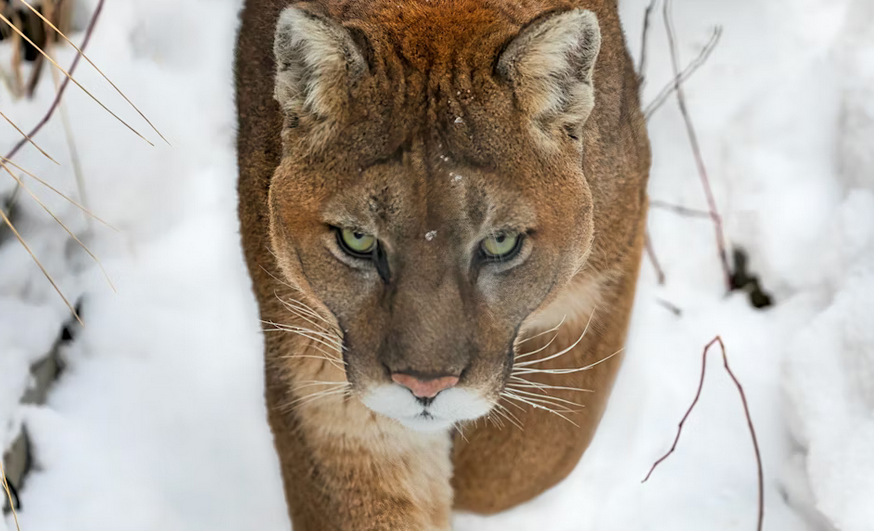
From the fatal shark attack in late December to the "problem" wolf packs in the north, California’s predators are becoming a primary headline. Here are the five most dangerous animals you need to be aware of in the Golden State this year.
1. The Mountain Lion (Cougar)
While mountain lions are usually reclusive, 2025 and the start of 2026 have marked a terrifying shift in encounter frequency. Following a tragic fatal attack in Northern California last year, the state is on high alert.
- The 2026 Context: Los Angeles remains one of the only megacities in the world with big cats living within city limits. In the Santa Monica Mountains and the Sierra foothills, mountain lions have been documented stalking pets in broad daylight and even investigating backyard patios.
- The Danger: They are ambush predators with incredible leaping ability. Most attacks occur from behind.
- Safety Tip: If you see a mountain lion, never run. This triggers their chase instinct. Maintain eye contact, make yourself look as large as possible, and throw objects if the cat moves toward you.
2. The Great White Shark
The coastline of California remains a global hotspot for Great Whites, but recent events have heightened the fear for swimmers and surfers.
- The Recent Tragedy: In late December 2025, a fatal shark attack claimed the life of a swimmer at Lovers Point in Pacific Grove. Following the incident, sightings of large mature sharks have surged along the Santa Cruz coastline.
- The Nursery Grounds: Scientists have confirmed that Southern California has become a massive nursery ground for white sharks. While juveniles primarily eat rays, their presence in shallow "splash zones" increases the risk of accidental encounters.
- Safety Tip: Avoid swimming at dawn or dusk, and stay out of the water near seal colonies or where birds are diving for fish.
3. The Black Bear
California’s black bear population has exploded to an estimated 60,000 to 80,000 animals—double what experts previously believed. This overpopulation is driving bears into ranges they have never occupied before.
- The First Fatality: California recently recorded its first-ever confirmed death due to a black bear attack in 2024. In early 2026, "brazen" bears in foothill suburbs like Arcadia and Sierra Madre have been caught on doorbell cameras entering kitchens and lounges.
- The Danger: These bears have lost their fear of humans and dogs. They are incredibly strong and can easily bypass standard doors and windows if they smell food.
- Safety Tip: Use bear-resistant trash cans and keep all ground-floor windows locked. If a bear enters your home, do not block its exit route.
4. The Gray Wolf (The Harvey Pack)
After being absent for nearly a century, wolves are back in California and making their presence felt in a "brazen" way in the state’s northern counties.
- The 2026 Alert: In the first two weeks of January 2026, the Harvey Pack in Lassen County has been blamed for a series of livestock attacks just miles from downtown Susanville. Ranchers report that the pack has become highly habituated, attacking even in the presence of non-lethal deterrents.
- The Danger: While wolves rarely target humans, their presence near residential ranches poses a significant threat to livestock and domestic dogs.
- Safety Tip: If you are in wolf country (Lassen, Plumas, or Siskiyou counties), keep pets indoors at night and carry an air horn or bear spray when hiking.
5. The Mojave Green Rattlesnake
California is home to several rattlesnake species, but the Mojave Green is the most lethal due to its unique venom profile.
- The "Mojave Green" Factor: Unlike other rattlesnakes whose venom primarily destroys tissue, the Mojave Green possesses a potent neurotoxin that attacks the nervous system, leading to respiratory failure.
- 2026 Activity: As desert communities expand in San Bernardino and Riverside counties, encounters are rising. These snakes are often more aggressive than their Northern Pacific relatives.
- Safety Tip: If bitten, do not use a tourniquet or attempt to "suck out" the venom. Keep the limb still and seek immediate medical attention; specify that the bite may be from a Mojave Green, as it requires a specific antivenom approach.
California's New Reality
The "brazen" behavior of predators in 2026 is a byproduct of successful conservation meeting rapid urban expansion. Whether you are surfing the Central Coast or hiking the Sierras, the rules of engagement have changed. Respecting the wild in California now means active prevention: securing your home, staying alert on the trails, and understanding that these apex neighbors are no longer staying in the shadows.
