
 NEBRASKA STATE - Before its official designation as the 37th state in the Union in 1867, the vast expanse of land that we now recognize as Nebraska was a tapestry woven with diverse threads of history and culture. This narrative extends far beyond the borders of statehood, encompassing the rich heritage of its indigenous inhabitants and the transformative experiences of early European explorers and settlers.

The Heart of the Plains: Native American Perspectives
For countless generations, this land was the ancestral home of various Native American tribes, each with their own deep-rooted connection to the landscape. Among these were the Pawnee, Omaha, Otoe, and Sioux, whose presence shaped the region's cultural and ecological tapestry. The very name "Nebraska" itself echoes these indigenous roots, believed to derive from the Oto Indian word "Ñí Brásge," which translates to "flat water," a poetic reference to the meandering Platte River that courses through the state's heartland.
Encounters with the "New World": European Exploration and Expansion
The arrival of European explorers marked a pivotal turning point in the region's history. Early French adventurers, struck by the expansive flatlands and the prominent river, christened the area "Le Platte," mirroring the indigenous understanding of the landscape. The Louisiana Purchase of 1803 brought the territory under American control, opening the floodgates for westward expansion. As settlers ventured into this uncharted territory, the region took on the mantle of Nebraska Territory, formally established in 1854.
Nicknames: A Reflection of Changing Times
Nebraska's journey towards statehood and beyond has been accompanied by a series of nicknames, each offering a glimpse into the challenges, aspirations, and transformations experienced by its inhabitants.
"The Great American Desert": Early explorers and settlers, confronted with the seemingly endless prairies and arid climate, often painted a bleak picture of the region, dubbing it "The Great American Desert." This moniker reflected their initial struggle to adapt to an environment vastly different from their Eastern origins.
"The Bug-Eaters": This somewhat derogatory nickname emerged during the devastating grasshopper plagues of the 1870s. Swarms of insects ravaged crops, testing the resolve of early Nebraskans. Yet, this moniker also speaks to the resilience and resourcefulness of these pioneers who faced adversity head-on.
"The Tree Planters' State": This official nickname, adopted in 1895, celebrated a remarkable transformation. Through extensive tree-planting initiatives, Nebraskans sought to reshape their environment, creating a more hospitable and verdant landscape. This nickname symbolizes their determination to cultivate a thriving future.
"The Beef State": This unofficial nickname, proudly displayed on license plates from 1956 to 1965, underscores Nebraska's significant contributions to the cattle industry. It reflects the state's agricultural prowess and the economic backbone its ranching communities provide.
"The Cornhusker State": This iconic nickname, officially adopted in 1945, captures the essence of Nebraska's agricultural heritage and prominence as a leading corn producer. The term "Cornhuskers" also represents the University of Nebraska's athletic teams, further cementing its association with the state's identity.
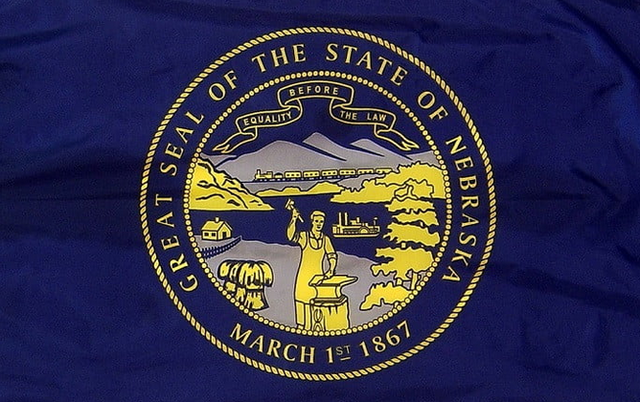 Today, Nebraska stands tall as the "Cornhusker State," a proud testament to its deep-rooted agricultural traditions and the unwavering spirit of its people. While its nicknames have evolved over time, reflecting the dynamic nature of its history, the core values of resilience, perseverance, and a profound connection to the land continue to define Nebraska's unique character.