 KENTUCKY - The Commonwealth is seeing a surge in biological activity across its diverse landscapes—from the Appalachian foothills to the Pennyrile. The Kentucky Department of Fish and Wildlife Resources (KDFWR) and the University of Kentucky (UK) have issued high-priority alerts this month regarding emerging predators, agricultural diseases, and a critical "tick-and-baby-wildlife" season.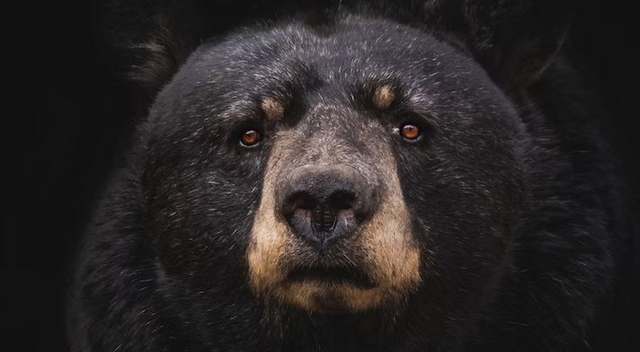
1. Black Bear Awareness: The "Spring Search."
With spring in full bloom, Kentucky's black bear population is highly active. On April 18, 2026, wildlife officials reminded residents that bears are currently roaming widely to replenish fat stores lost during winter.
- The Movement: Hungry bears are moving from the rugged eastern counties into more developed areas, including suburban corridors near Lexington and Knoxville.
- The "Attractant" Rule: Most bear-human conflicts this month are linked to bird feeders and grease-heavy grills. The KDFWR advises removing bird feeders and cleaning grills immediately after use to prevent bears from becoming "habituated" to residential areas.
- Safety Note: If you encounter a bear, do not run. Stand your ground, make yourself appear larger, and speak in a firm, calm voice as you back away.
2. The "Baby Wildlife" Warning: Look, Don't Touch
On April 14, 2026, the KDFWR issued an urgent alert about a "baby boom" in neighborhoods and on farms.
- The Mistake: Well-meaning Kentuckians often "rescue" fawns, rabbits, or fledglings that appear abandoned. In reality, the parents are almost always foraging nearby.
- The Law: It is illegal to remove young wildlife from the wild in Kentucky. Human scent can attract predators to their location, and "rescuing" them often leads to their death because they cannot be properly re-integrated.
- Action: If you find a young animal, leave it alone. If it is visibly injured, contact a state-licensed wildlife rehabilitator rather than attempting to intervene yourself.
3. Agricultural Alert: Fire Blight Risk
As of April 14, 2026, the University of Kentucky's Plant Disease Diagnostic Lab issued a high-risk alert for Fire Blight (Erwinia amylovora).
- The Threat: Apple and pear trees are currently at peak bloom across the state. The bacterium infects during bloom, potentially causing rapid branch dieback and "shepherd's crook" wilting.
- Prevention: Because risk is high this month, growers are urged to apply protectant antibiotics immediately. Pruning should be avoided during wet weather to prevent further spreading of the infection.
4. Tick Surge and "Lyme High" Forecast
Medical entomologists are projecting a heavy tick season for Kentucky in 2026. Following a trend of late-season larval activity last fall, officials warn of a "Lyme High" year.
- The Nymph Danger: In late April, we are seeing the emergence of nymphal deer ticks. These are the size of a poppy seed and are responsible for the vast majority of human infections because they go undetected for days.
- Heartland and Bourbon Viruses: While Lyme is the primary concern, the Lone Star Tick (identifiable by the white dot on its back) is extremely active this month and carries risks for Heartland and Bourbon viruses.
- Action: Treat your hiking gear and "garden clothes" with permethrin. Perform a "full-body check" every night, paying close attention to the hairline and behind the knees.
5. Aquatic Defense: The Invasive Carp Initiative
As of April 6, 2026, the KDFWR finalized new regulations for the Invasive Carp and Scaled Rough Fish Harvest Program.
- The Goal: These regulations are designed to accelerate the removal of invasive Silver and Bighead carp from critical sport-fishing waters like Kentucky Lake and Lake Barkley.
- Boater Warning: Boaters are reminded to "Clean, Drain, Dry" their vessels. If you catch an invasive carp, do not release it back into the water; these fish outcompete native species and can be hazardous to boaters due to their tendency to jump.
Summary Checklist for Kentucky Residents
- Secure Your Trash: Help prevent bear habituation by keeping garbage inside until the morning of pickup.
- Leave the Babies: If you find a fawn or bunny, leave it where it is; the mother is likely watching from nearby.
- Inspect Your Orchard: If you have apple or pear trees, check for Fire Blight symptoms (wilting or blackening blossoms).
- Tick Hygiene: Use DEET or Picaridin; 2026 is trending as a record-high year for tick-borne illness.
- Snake Awareness: As temperatures hit the 70s, Copperheads are emerging from dens. Wear closed-toe shoes when walking near stone walls or brush piles.