From the Chicago suburbs to the Shawnee National Forest, here is what is on the move in Illinois right now.
1. New World Screwworm: The "Suspicious Wound" Alert
The most urgent animal health alert for April 2026 concerns the New World Screwworm (NWS). Following a widespread outbreak in Central America and detections in Mexico, the IDOA is monitoring the situation closely as shipping and interstate transport peak this spring.
- The Threat: These larvae feed on the living tissue of warm-blooded animals. Infestations typically begin in tiny wounds, such as those from ear tags, shearing, or even simple scratches.
- The Danger: Left untreated, NWS can be fatal to livestock, pets, and wildlife within a week.
- Action Plan: Inspect all animals daily. If you find a wound with unusual, screw-like larvae, do not move the animal. Contact the IDOA Bureau of Animal Health at 217-782-4944 immediately.
2. The 2026 Tick "Surge": Nymphs in the Spotlight
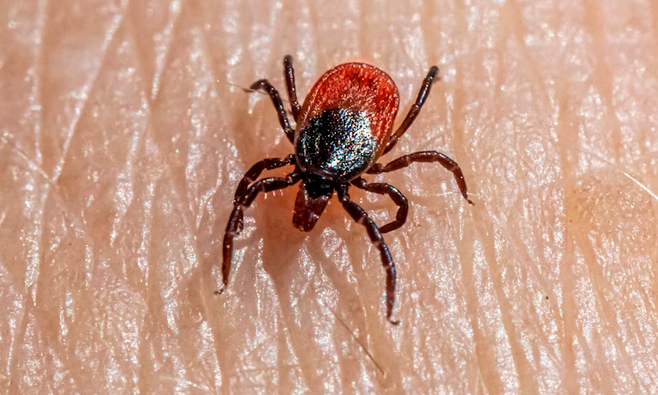
Medical entomologists are projecting a "high-pressure" year for tick-borne diseases in Illinois. April marks the transition where nymphal deer ticks become the primary threat.
- The Nymph Warning: These ticks are the size of a poppy seed. They are responsible for the vast majority of Lyme disease cases because they often go undetected for days.
- Alpha-Gal Alert: Lone Star ticks are expanding rapidly through central and northern Illinois this month. They are the primary vector for Alpha-gal Syndrome (the red meat allergy).
- Action: Treat your hiking and gardening clothes with permethrin. Perform a "full-body scan" every night. If you find a tick, remove it with tweezers by pulling straight up—do not use "home remedies" like heat or petroleum jelly.
3. Spongy Moth: Aerial Offensive in Northern Illinois
The IDOA has finalized its 2026 treatment schedule to combat the Spongy Moth (formerly the Gypsy Moth). Aerial spraying is slated to begin late this month in high-risk zones, including parts of Lake, Cook, and DuPage counties.
- The Operation: Helicopters will be applying treatments (typically Btk or pheromone flakes) to prevent massive defoliation of Illinois's oak and willow trees.
- The Danger: A single caterpillar can eat up to 11 square feet of leaves in its lifetime. Successive years of defoliation will kill even the sturdiest oaks.
- Action: If you live in a treatment zone, you may see low-flying aircraft between dawn and dusk. Residents can enter treated areas once the sprays have dried.
4. Emerald Ash Borer: The "Deregulation" Warning
While the IDOA no longer enforces an internal state quarantine for the Emerald Ash Borer (EAB), the beetle remains a catastrophic threat to Illinois's ash canopy.
- The Timing: Adult beetles will begin emerging in mid-May. April is the final "proactive" window for trunk injections.
- The Risk: Dead ash trees become extremely brittle very quickly. With Illinois's spring storm season in full effect, "EAB-killed" trees are prone to sudden limb drops on houses and power lines.
- Action: "Buy It Where You Burn It." Even without a state quarantine, willfully transporting infested wood is highly discouraged. Source your firewood locally to avoid spreading the beetle to the few remaining uninfested areas of southern Illinois.
5. Aquatic Invaders: The Brandon Road Project
On the water, the IDNR is currently in a public comment period (closing April 27, 2026) for the next phase of the Brandon Road Lock and Dam project near Joliet.
- The Goal: This is a multi-layered deterrent system (including electric barriers and acoustic deterrents) designed to stop Asian Carp from reaching the Great Lakes.
- Boater Warning: Be aware of construction activity and temporary restrictions near the Brandon Road Lock. Always "Clean, Drain, and Dry" your boat to prevent hitchhiking invasive plants like Garlic Mustard seeds or Zebra Mussels.
Summary Checklist for Illinois Residents
- Inspect Every Wound: Check pets and livestock for maggots to prevent a Screwworm outbreak.
- Tick Hygiene: Use EPA-registered repellents like Picaridin or DEET; 2026 is trending as a high-risk year.
- Snake Awareness: As temperatures hit the 70s, Copperheads are emerging in southern Illinois. Stay on clear trails and wear closed-toe shoes.
- Protect the Ash: If you have high-value ash trees, schedule your preventative treatment this week before the May emergence.