From a "record-breaking" tick forecast to an aerial offensive against leaf-eating caterpillars, here is what is on the move in the Badger State right now.
1. The 2026 Tick "Surge": The Worst Season Yet?
On April 20, 2026, health officials across the Midwest, including Wisconsin, issued a coordinated warning regarding an unprecedented surge in tick activity.
- The "Mast Year" Effect: 2025 was a "mast year" for Wisconsin's oaks, producing a bumper crop of acorns. This led to a dramatic spike in white-footed mice populations—the primary hosts for ticks—fueling a massive 2026 tick brood.
- The Nymph Danger: We are currently entering the peak for nymphal deer ticks. These are the size of a poppy seed and are responsible for the vast majority of Lyme disease cases because they often go undetected on the skin.
- The Forecast: Scientists predict that diagnosed Lyme disease cases could surpass 500,000 nationally for the first time this year. In Wisconsin, the "early awakening" due to a mild spring has already led to record reports of ticks in March and April.
-
Action: Treat your gear with permethrin and perform a "pressure check" (feeling for small, stationary bumps) every night after being outdoors.
2. Spongy Moth: Aerial Spraying at Perrot State Park
The Wisconsin DNR finalized its 2026 management plan on April 1, 2026, to combat the Spongy Moth (formerly known as the Gypsy Moth) in high-risk areas.
- The Operation: Starting later this month, low-flying planes will begin aerial treatments at Perrot State Park in Trempealeau County using "Foray," a bacterial insecticide (Bacillus thuringiensis var. kurstaki).
- The Threat: These caterpillars can completely defoliate an oak or birch forest in a single season. While the overall state population is currently "low," reproducing pockets in parks like Perrot require immediate intervention.
- Action: Property owners are encouraged to examine their trees—specifically oak, birch, and crabapple—for tan, fuzzy egg masses and scrape them into soapy water before they hatch this month.
3. Black Bears: Early Sightings and Farmer Permits
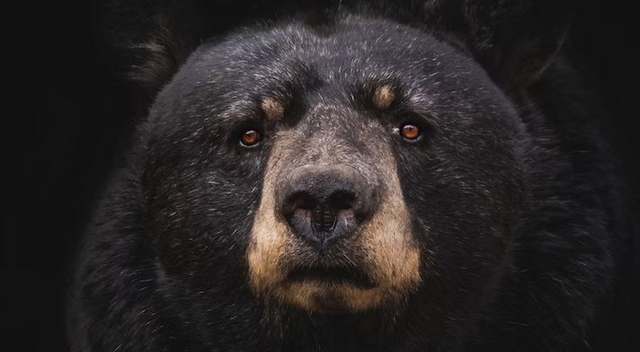
On April 15, 2026, the first black bear of the season was officially recorded in the region. As bears emerge from their dens across the Northwoods, conflict management is already in high gear.
- The Search for Calories: Hungry bears are currently scavenging for winter-killed carcasses and green shoots. They are being drawn into residential areas by bird feeders and unsecured trash.
- Agricultural Permits: As of April 11, 2026, the Wisconsin DNR has issued its statewide list of farmers receiving Bear Damage Shooting Permits. These are issued to farmers experiencing severe crop damage, allowing for the removal of problem bears outside of the regular hunting season.
- Action: "Be Bear Wise." Take down bird feeders immediately and secure all garbage. If you are a hunter interested in helping farmers, check the DNR's Wildlife Damage Program list for properties that may be open to public hunting of damage-designated bears.
4. Emerald Ash Borer: The "99% Mortality" Warning
The Wisconsin DNR Forestry News issued an urgent update on April 1, 2026, regarding the Emerald Ash Borer (EAB).
- The Situation: EAB remains the most damaging forest pest in Wisconsin, killing over 99% of the ash trees it infests.
- The Window: April to mid-May is the final window for homeowners to treat healthy, high-value ash trees with preventative insecticide. Once the adult beetles begin emerging in late May, the effectiveness of some treatments drops.
- Signs of Trouble: Look for "woodpecker blonding"—where woodpeckers strip bark to get at the larvae—as the first sign of an infested tree.
5. Jumping Worms: The Soil Threat
A major alert for April 2026 concerns Invasive Jumping Worms (Amynthas agrestis), which have now been confirmed in most Wisconsin counties.
- The Hazard: These worms thrash violently when touched and consume organic mulch so quickly that the soil resembles "coffee grounds," which lack the nutrients needed for Wisconsin gardens to thrive.
- Current Status: Their tiny, mustard-seed-sized cocoons are hatching in the spring soil right now.
- Action: Do not move compost, mulch, or plants from infested areas. If you find a jumping worm, dispose of it in a sealed bag in the trash; never release them into the wild or use them as bait.
Summary Checklist for Wisconsin Residents
- Stop for Inspections: As of April 20, 2026, all boaters must "Clean, Drain, Dry" to prevent the spread of invasive mussels and milfoil.
- Tick Hygiene: Use DEET or Picaridin; 2026 is on track to be a record-breaking year for tick-borne illness.
- Secure Bear Attractants: Remove bird seed and secure trash to prevent "nuisance" bear behavior.
- Buy Local Wood: Wisconsin statute requires the use of certified or locally obtained firewood to prevent the spread of EAB and Spongy Moth.