From the Atchafalaya Basin to the northern timberlands, here is what is on the move right now.
1. New World Screwworm: The "Emergency" Border Watch
The most critical alert for April 2026 involves the New World Screwworm (NWS). Following a confirmed outbreak in the Mexican state of Tamaulipas—dangerously close to Texas and the Gulf shipping lanes—the Louisiana Department of Agriculture and Forestry (LDAF) has issued a high-priority warning.
- The Threat: NWS larvae (maggots) do not eat dead tissue; they feed on the living flesh of warm-blooded animals. They typically enter through tiny wounds, such as tick bites, scratches, or the navels of newborn livestock.
- The Danger: Left untreated, an infestation can kill an animal within 7 to 10 days.
- Action Plan: Inspect all livestock and pets daily for any open wounds. If you see unusual larval activity, do not move the animal and do not attempt to treat it yourself. Contact your veterinarian or the LDAF State Veterinarian's office immediately.
2. Louisiana Black Bear: A Historic Return to Hunting
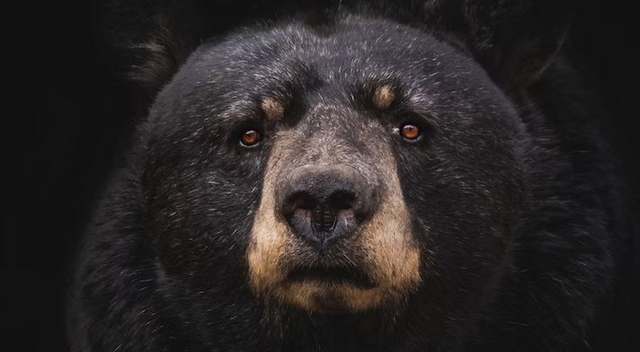
On April 21, 2026, the Louisiana Wildlife and Fisheries Commission (LWFC) officially finalized the Notice of Intent for the 2026 Louisiana Black Bear Hunting Season. This marks the first regulated bear hunt in the state in over 30 years.
- The Status: Thanks to decades of recovery efforts, the Louisiana Black Bear was removed from the endangered species list years ago. The population is now healthy enough to support a highly regulated, lottery-based hunt scheduled for late 2026.
- Current Activity: This week (late April) is a peak activity period as bears emerge from hibernation. Young males are currently wandering into new territories, often following bayou corridors.
- Safety Fact: If you are attending the Bayou Teche Black Bear Festival in Franklin this weekend (April 24–25), remember to "Be Bear Wise." Never feed bears and secure all trash; a "fed bear is a dead bear."
3. Feral Hogs: The "Whole Sounder" Trapping Season
The Louisiana Feral Hog Task Force has intensified its spring offensive. As of April 2026, state and federal partners are prioritizing the use of "smart traps" over individual hunting.
- The Strategy: Shooting one or two hogs into a "sounder" (family group) only scatters the survivors, making them "trap-shy." Professional trappers are currently working to remove entire groups at once.
- The Risk: Feral hogs cause over $75 million in damage to Louisiana crops and timber annually. They also act as vectors for diseases like swine brucellosis, which can be transmitted to humans.
- Action: If you have hogs on your land, report the activity to the LDWF Nuisance Wildlife Division. Landowners are encouraged to coordinate with neighbors to execute simultaneous trapping for maximum impact.
4. Aquatic Invasive Species: Oyster Harvest Closures
The LDWF has issued several emergency closures throughout March and April 2026 to protect the State delicate aquatic ecosystems.
- Oyster Closures: As of April 1, 2026, public oyster seed grounds in the Vermilion, Cote Blanche, and Atchafalaya Bay areas are officially closed.
- Reasoning: These closures are necessary to prevent over-harvesting and to protect young oysters from the influx of freshwater and invasive competition.
- Boater Warning: Boating Education Lagniappe Day is slated for April 25, 2026. If you are hitting the water, remember the "Clean, Drain, Dry" rule to prevent the spread of invasive Giant Salvinia and Zebra Mussels.
5. Tick and Mosquito "Jumpstart."
Despite the "rollercoaster" spring temperatures, the 2026 biting insect season has officially arrived in the bayous.
- Tick Surge: The first Deer Ticks of 2026 were recorded in the region as early as March 9th. Health officials warn that nymphal ticks (the size of a poppy seed) are emerging now.
- The Forecast: 2026 is trending as a high-risk year for tick-borne illnesses. Nymphs are responsible for most human infections because they are so hard to spot.
- Mosquito Update: While the "summer floodwater" mosquitoes are still weeks away, "snowmelt" and marsh mosquitoes are currently hatching.
- Action: Perform a "full-body scan" every night. Wear light-colored clothing to spot "poppy seed" nymphs before they attach, and tip over standing water in your yard every 5 days to kill larvae.
Summary Checklist for Louisiana Residents
Inspect Your Animals: Check for maggots in even the smallest wounds to prevent a Screwworm outbreak.
Bear-Proof the Yard: If you live near wooded corridors, secure your trash to prevent bears from becoming "nuisance" animals.
Snake Awareness: As temperatures hit the 80s, Cottonmouths and Copperheads are basking in the sun. Stay on clear trails and wear closed-toe shoes.
Buy Local Wood: Never move firewood across parish lines to prevent the spread of the Emerald Ash Borer and other forest pests.