 ARKANSAS STATE - The Natural State is seeing a major spike in wildlife activity. Following a "rollercoaster" spring with fluctuating temperatures, state officials from the Arkansas Game and Fish Commission (AGFC) and the Department of Agriculture have issued several high-priority alerts this month.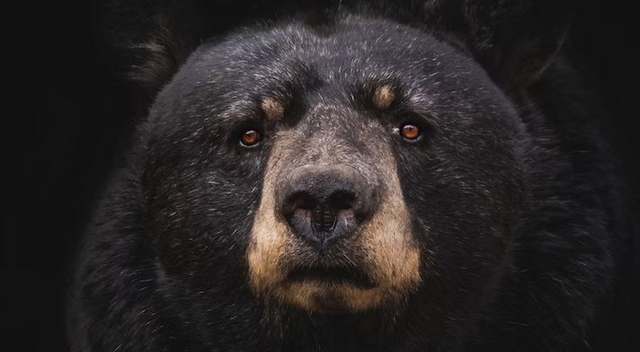
From "navel-seeking" parasites at the border to the early emergence of apex predators, here is what is on the move in Arkansas right now.
1. Feral Hogs: The "Report, Don't Shoot" Strategy
On January 1, 2026, Arkansas officials highlighted that the State coordinated fight against feral hogs is finally showing measurable results. However, April remains a critical month for reporting sounders (family groups) rather than individual hunting.
- The Situation: Feral hogs cause an estimated $19 million to $41 million in damages annually to Arkansas farms and forests. A single sow can produce up to 50 piglets in two years.
- The Policy: Hunting the animals often worsens the problem. Shooting into a group scatters the sounder, making them "trap-shy" and harder for professional trappers to remove.
- Action Plan: Arkansas has moved to a year-round systematic eradication program. If you see hogs on your property, contact the APHIS Wildlife Services (the primary point of contact for private lands) for professional trapping assistance.
- The New Tool: As of April 2026, the state is in the final stages of approving Kaput Feral Hog Toxicant (containing warfarin) for use in specific regions to complement trapping efforts.
2. Black Bears: The Spring "Male" Migration
The AGFC issued an official reminder on April 18, 2026, that black bears are officially on the move across Arkansas.
- The Conflict: Young bears—particularly males—are currently emerging from dens and being forced out of their mothers' ranges to find new territory.
- The Neighborhood Watch: These bears are actively seeking "free food" in residential areas. Trash, pet food, and cooking grease are the primary attractants drawing them into Ozark and Ouachita neighborhoods.
- Safety Fact: While not typically aggressive, bears can become dangerous if they grow comfortable around people.
- Action: Take down bird feeders immediately. Lock away any scented items. If a bear enters your yard, make loud noises from a safe distance to scare it away; if it doesn't find food, it will usually move on.
3. The 2026 Tick and Mosquito "Early Start."
Health officials are warning that 2026 is trending toward a high-risk year for tick-borne illnesses. Despite a late-March snowfall that temporarily slowed them down, the "spring surge" is now in full effect.
- The Nymph Warning: We have entered the peak for nymphal deer ticks. These are the size of a poppy seed and are responsible for the vast majority of human infections because they go undetected on the skin.
- The 2026 Forecast: Research suggests nymphal ticks may have a higher prevalence of Lyme disease this year.
- Mosquito Update: While the "summer floodwater" mosquitoes are still weeks away, "snowmelt" mosquitoes are currently hatching in flooded river bottoms. Aerial larvicide treatments (using drones and helicopters) are scheduled to begin this week.
- Action: Perform a "full-body scan" every night. Wear light-colored clothing and use EPA-registered repellents when heading into the woods.
4. Venomous Snakes: The "Sun-Basking" Phase
As of mid-April 2026, Arkansas's six venomous snake species—including the Copperhead and Cottonmouth—are emerging from their winter dens.
- The Behavior: Because nights are still cool, snakes are seeking sun-drenched areas during the day to regulate their body temperature. They are currently active on trails, rocky outcrops, and near garden stone walls.
- The Law: It is illegal to kill a snake in Arkansas unless it poses an immediate threat to you, your pet, or your property. Snakes play a vital role in the ecosystem by controlling pests like mice and rats.
- Safety Tip: Most bites occur from either stepping on a snake or agitating it. If you see one, give it at least 5 to 6 feet of space. If you need a snake relocated, contact a professional handler rather than attempting it yourself.
5. Emerald Ash Borer: The "Herd Immunity" Strategy
The Arkansas Department of Agriculture is warning that the Emerald Ash Borer (EAB) is eventually expected to infest ash trees in every Arkansas county.
- Current Status: EAB is an "economic assassin," killing ash trees from the inside out. While eradication is impossible, individual trees can be saved with insecticide treatments.
- The Timing: Mid-April to May is the peak window for preventative treatments as trees "leaf out" and can most effectively transport the insecticide through their systems.
- Action: If you have a high-value ash tree, contact your county forester for guidance on chemical injections. "Buy It Where You Burn It"—do not move firewood, as human-involved movement is the primary cause of new EAB outbreaks in Arkansas.
Checklist for Arkansas Residents
- Stop the Hogs: Report sightings to Wildlife Services (866-4USDA-WS) instead of shooting to help professional eradication efforts.
- Bear-Proof the Yard: Remove bird seed and secure trash; young males are currently scouting for easy meals.
- Tick Hygiene: Treat your outdoor gear with permethrin; 2026 is a high-risk year for infected nymphs.
- Snake Awareness: Wear closed-toe shoes and stay in the center of the trail; snakes are currently basking in open spring areas.