From the driftless timber of Northeast Iowa to the Loess Hills, here is what is on the move right now.
1. Black Bears: The Eastern Iowa Visitors
On April 20, 2026, the Iowa DNR confirmed that at least six black bears are currently roaming the state, specifically in Cedar and Dubuque counties. While bears were nearly eliminated from Iowa in the early 1900s, they are becoming frequent spring guests from neighboring Minnesota and Wisconsin.
- The Situation: These are likely young males looking for territory. They are currently emerging from dens and seeking "easy" calories.
- The Danger: Forcing a bear into a corner or crowding it for photos is the primary cause of conflict. The DNR warns that traffic buildup from onlookers can jeopardize the safety of both the bears and the public.
- Action Plan: "Be Bear Wise." Remove bird feeders, secure trash cans, and keep pet food indoors. If you see a bear, give it at least 100 yards of space.
2. The 2026 Tick "Lyme High" Forecast
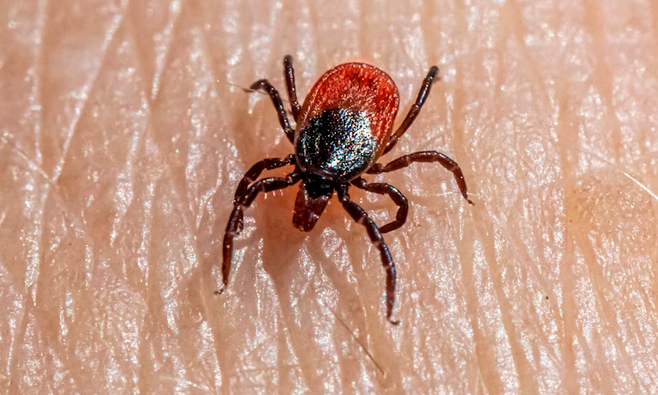
Health officials are warning that 2026 is shaping up to be a high-risk year for tick-borne illnesses. Following a trend in which larval activity extended into late fall 2025, the resulting nymphs are emerging with a higher-than-average infection rate.
- The Nymph Warning: We have officially entered the peak for nymphal deer ticks. These are the size of a poppy seed and are responsible for the vast majority of human infections because they go undetected on the skin.
- The "First" Tick: The first deer tick of 2026 was recorded on March 9th, and activity has spiked this month despite the "rollercoaster" spring temperatures.
- Action: Treat your gear with permethrin and perform a "pressure check" (feeling for small, stationary bumps) every night after gardening or hiking.
3. New World Screwworm: The "Navel" Watch
The IDALS has issued a high-priority alert regarding the New World Screwworm (NWS). While not yet established in Iowa, a major outbreak in the Southern U.S. and Mexico has put the State livestock industry on emergency alert.
- The Threat: NWS fly larvae (maggots) burrow into the living flesh of animals, including pets, wildlife, and livestock.
- What to Look For: Inspect any open wounds or the navels of newborn animals for unusual larval activity.
- Action: If you see "screws" in a wound, do not treat it yourself—contact the State Veterinarian or your local vet immediately.
4. Emerald Ash Borer: The "99 County" Cleanup
As of October 2024, the Emerald Ash Borer (EAB) was officially confirmed in all 99 Iowa counties. In April 2026, the focus has shifted from detection to large-scale mitigation and "herd immunity" strategies.
- Current Status: In cities like Milbank, officials are moving to treat roughly one-sixth of the public ash canopy every year to avoid an "epidemic" population surge.
- The Timing: Mid-April to mid-May is the peak window for preventative insecticide treatments. Trees are actively growing, and uptake is at its highest right now.
- Action: If you have high-value ash trees on your property, schedule a trunk injection with a certified arborist this week. Look for "woodpecker blonding" or D-shaped exit holes as signs of infestation.
5. Noxious Weeds: The June 1st Deadline
The Johnson County Weed Commissioner issued a public notice on April 15, 2026, reminding property owners of their legal obligations under the Code of Iowa, Chapter 317.
- The Target: Palmer Amaranth must be eradicated on sight. Other Class B weeds, such as Canada Thistle, Leafy Spurge, and Multiflora Rose,olled to prevent seed production.
- The Risk: Failure to control these weeds by June 1, 2026, can result in daily fines and the county entering your land to perform the work at your expense.
- Action: Start mowing, pulling, or spraying these invasive plants this month before they have a chance to go to seed.
Summary Checklist for Iowa Residents
- Secure the Neighborhood: Remove bird seed and secure trash to prevent wandering bears from becoming "nuisance" animals.
- Treat Your Ash: If you want to save your ash trees, the treatment window is open right now.
- Tick Hygiene: Use DEET or Picaridin; 2026 is trending as a record year for tick-borne illness in the Midwest.
- Check the Drains: Ensure your boat is "Clean, Drain, Dry" to support Iowa's ongoing lake renovation projects and keep invasive mussels out of restored waters.