


 OREGON - As April 2026 unfolds across the Pacific Northwest, Oregon is facing a unique set of wildlife challenges. From a critical "last stand" against an invasive beetle to the discovery of new aquatic threats in the Rogue Valley, the Oregon Department of Agriculture (ODA) and Department of Fish and Wildlife (ODFW) are on high alert.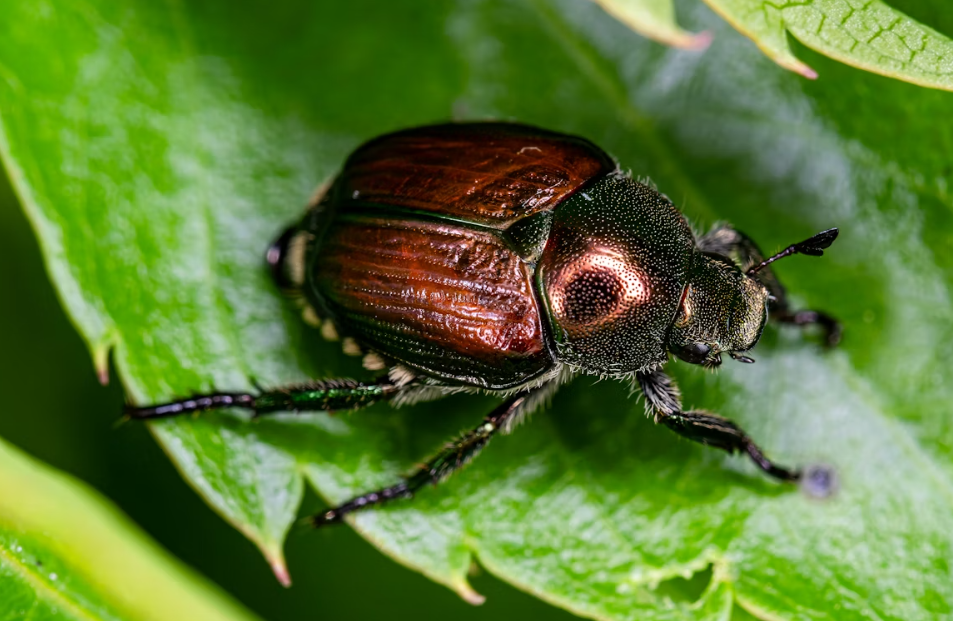
Here are the primary pests and wildlife threats Oregonians should be monitoring this month.
1. Japanese Beetle: The $1.8 Million Eradication
In March 2026, the Oregon Legislature approved a critical $1.8 million emergency funding package to save the Japanese Beetle Eradication Program. This month marks a turning point in the battle to protect Oregon’s multi-billion dollar nursery and wine industries.
- The Threat: These beetles are "skeletonizers"—they eat the tissue between leaf veins, leaving plants unable to photosynthesize. Their grubs also destroy turf and lawns by eating grass roots.
- Current Status: As of mid-April 2026, ODA crews are beginning ground treatments in infested areas, particularly in Washington, Clackamas, and Multnomah counties.
- What to Look For: Expect to see ODA staff placing green and yellow "traps" starting in late April.
- Action Plan: If you live in a known infestation zone, do not move yard debris, sod, or plants outside of your neighborhood. If you see a metallic green beetle with copper wings, report it to the ODA "Pest Alert" hotline immediately.
2. Golden Mussels: An Urgent Aquatic Alert
On April 4, 2026, ODFW staff at the Ashland Boat Inspection Station made a chilling discovery: Golden Mussels were found on a watercraft entering Oregon from the Sacramento River Delta.
- The Danger: Similar to Zebra mussels but potentially more adaptable, Golden Mussels can clog hydroelectric dams, municipal water intake pipes, and destroy native salmon habitats.
- Requirement: As of April 8, 2026, ODFW has ramped up inspections. All boaters, kayakers, and paddleboarders entering the state or moving between water bodies must follow the "Clean, Drain, Dry" protocol. Fines for bypassing inspection stations have been increased for the 2026 season.
3. Emerald Ash Borer: The "Purple Trap" Season
The Emerald Ash Borer (EAB) continues its slow march through the Willamette Valley. In March 2026, the Oregon Department of Forestry released new guidance for homeowners as the "flight season" for these tree-killing beetles begins.
- The Hazard: EAB larvae kill 99% of the ash trees they infect. In April, the City of Salem and Hillsboro have already begun pre-emptive removals of infected trees to prevent catastrophic limb falls in residential areas.
- What to Watch For: You may see large, sticky purple prisms hanging high in ash trees. These are monitoring traps. Do not disturb them; they are vital for tracking the beetle's spread.
- Pro-Tip: Never move firewood. EAB is most often spread by campers taking wood from one county to another. Buy it where you burn it.
4. Ticks and Lyme Disease Risk
Following a "rollercoaster" spring with alternating warm and cold days, Oregon's tick season is officially in high gear.
- The Alert: State biologists noted the first Deer Tick of the year in early March, and activity has spiked this April.
- The Risk: There is a predicted higher prevalence of Lyme disease in 2026 due to weather patterns that favored the survival of infected nymphal ticks.
- Where They Hide: Particularly prevalent in the tall grasses of the Willamette Valley and the brushy trails of the Columbia River Gorge. Always perform a thorough tick check after hiking, paying close attention to the hairline and behind the ears.
5. White-Nose Syndrome: A Threat to Oregon's Bats
In a significant blow to local ecosystems, ODFW confirmed on March 18, 2026, that White-Nose Syndrome (WNS) has been detected for the first time in Columbia and Benton counties.
- Why It Matters: While WNS does not infect humans, it is deadly to bats. Bats are Oregon's primary defense against mosquitoes and agricultural pests.
- What to Do: If you see a bat acting strangely (flying during the day or struggling on the ground), do not touch it. Report the sighting to ODFW. If you explore caves, follow all decontamination protocols for your boots and gear to prevent spreading the fungus to new colonies.
Summary Checklist for Oregon Residents
- Don't Move Firewood: This is the #1 way Emerald Ash Borer and other pests spread.
- Inspect Watercraft: Ensure your boat is inspected at state-run stations to stop Golden Mussels.
- Check Your Boxwoods and Ash Trees: Watch for dieback or unusual "skeletonized" leaves.
- Protect Yourself: Use repellent and check for ticks after any outdoor activity in the valley or mountains.
