 WEST VIRGINIA - West Virginia’s grocery landscape is undergoing a period of significant transition this spring. While the state is preparing for massive new "flagship" openings later this year, several long-standing neighborhood hubs and discount staples are closing their doors as national chains pivot toward digital efficiency.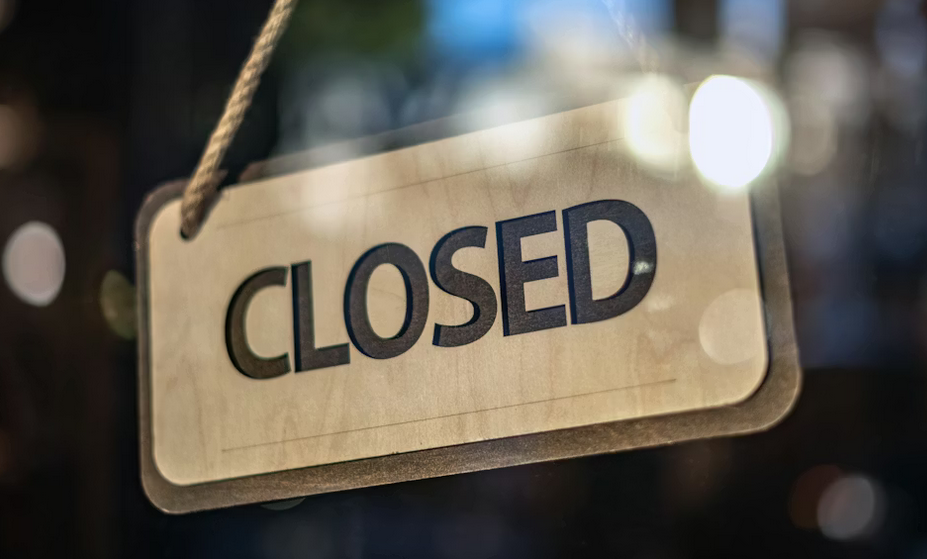
Mountain State Shakeup: Major Supermarket Changes in West Virginia This Spring 2026
If you rely on a local grocery anchor for your weekly shopping, here is the breakdown of the major supermarket shifts occurring across West Virginia in Spring 2026.
The Kroger Consolidation
As the largest traditional grocer in the state, Kroger is currently executing a nationwide strategy to close approximately 60 underperforming locations through late 2026. This "optimization" plan has hit West Virginia particularly hard in communities where older, smaller stores can no longer compete with modern supercenters.
- Gassaway (Braxton County): The closure of the Gassaway Kroger—the smallest in the Mid-Atlantic region—marks a significant loss for the community. Despite local efforts to save the store, it was shuttered after years of declining sales and a lack of modern upgrades.
- Dunbar and South Charleston: Internal reviews have targeted older storefronts in the Kanawha Valley. While Kroger is preparing to open a massive 122,000-square-foot Marketplace in South Charleston this June, it comes at the cost of closing nearby neighborhood sites like the Riverwalk Plaza and Dunbar locations to consolidate resources.
- Employee Support: Kroger has committed to offering all associates at closing locations the opportunity to transfer to nearby stores or the new Marketplace hub.
The Retreat of Discount Brands
West Virginia’s rural and budget-conscious shoppers are also seeing a contraction in the discount sector, which many residents use for supplemental grocery trips.
- Save A Lot: Following a trend of "warehouse transitions," several Save A Lot locations have phased out. The Warwood location recently closed after 15 years, and other underperforming urban-core spots are being evaluated for closure this spring as the parent company focuses on more profitable multi-price-point formats.
- Family Dollar: Parent company Dollar Tree is in the midst of closing nearly 1,000 stores nationwide. In West Virginia, where these stores often act as de facto grocers for small towns, the impact is acute. The Elkins location recently underwent liquidation, and analysts expect more rural lease exits throughout the first half of 2026.
Regional Departures: FasChek and Shoppers Value
Local and regional "value" banners are also feeling the squeeze from rising labor costs and the expansion of larger rivals.
- FasChek (Charleston): This local staple recently closed its doors, depriving a segment of the capital city of its primary walkable grocery option.
- Shoppers Value Foods (Westmoreland): The abrupt loss of this location has accelerated concerns about "food deserts" in areas where residents have limited transportation to larger big-box stores.
Why is this happening now?
Industry analysts point to three primary drivers for the Spring 2026 "shakeup" in West Virginia:
- The "Marketplace" Pivot: Chains are moving away from smaller, high-overhead neighborhood stores in favor of massive hubs that can support automated fulfillment for the surge in online grocery orders.
- Strategic Reinvestment: Following a period of major industry restructuring, companies like Kroger are refocusing on "lean" operations to remain competitive against non-traditional grocers like Amazon and Walmart.
- The Rise of Aldi: While some brands exit, Aldi continues its aggressive growth. Their low-overhead model is forcing traditional supermarkets to either modernize or exit neighborhoods where they can no longer compete on price.