

 ILLINOIS - When digging into the history of the Prairie State, the timeline points to the Illinois River valley and the city of Peoria. Established in 1691, it is the oldest European settlement in Illinois, predating the State other colonial hubs.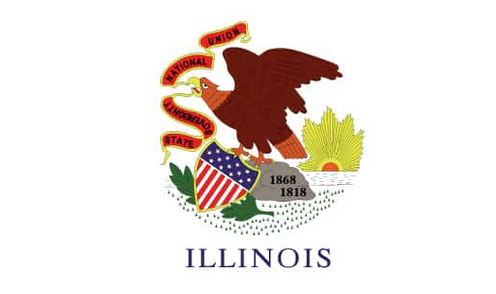
The Founding: 1691
Peoria's origins are deeply tied to the French exploration of the Mississippi Valley.
- Fort Crèvecoeur (1680): The first attempt at settlement occurred in January 1680, when explorers René-Robert Cavelier, Sieur de La Salle, and Henri de Tonti built Fort Crèvecoeur ("Fort of the Broken Heart") on the east bank of the river. However, it was destroyed by mutinous troops and abandoned shortly after.
- Fort St. Louis II (1691): In the winter of 1691-1692, Henri de Tonti returned to the area and established a new fort on the west bank, at the present site of Peoria. Known as Fort Pimiteoui ("Fat Lake"), it became a thriving trading post and the first permanent European village in Illinois.
Indigenous Roots
The city takes its name from the Peoria tribe, a subgroup of the Illinois Confederation (Illiniwek). The name Pimiteoui was the Indigenous name for the nearby lake (now Peoria Lake), referring to the abundance of fat game and fish in the area. The Peoria people lived in harmony with the French traders for decades, forming a unique "middle ground" society. However, as American settlers moved in, relations deteriorated. In 1832, the remaining tribes in the region were forced to cede their lands following the Black Hawk War.
A Technical Distinction: The Cahokia Rivalry
While Peoria claims the earliest founding date (1691), its history is not unbroken. The village of Cahokia often challenges the title.
- Cahokia (1699): Founded by missionary priests from Quebec, Cahokia claims to be the oldest continuous permanent settlement.
- The Burning of Peoria: During the War of 1812, U.S. troops suspected the French villagers in Peoria of aiding British-allied tribes. In a controversial act, the Governor of the Illinois Territory ordered the town burned to the ground and the inhabitants deported. Peoria lay abandoned until it was resettled by American pioneers in 1819. Because of this gap, Cahokia argues for the title of "oldest continuous," while Peoria holds the "first established" title.
Settlement vs. Incorporation
While Peoria is the oldest settlement, the title of the oldest incorporated town under U.S. law is often attributed to Shawneetown.
- Shawneetown (1814): Located on the Ohio River, Shawneetown served as a gateway for early American immigration and was the site of the first bank in Illinois (1816). It was incorporated in 1814, long before Chicago (1837) or the re-incorporated City of Peoria (1845).
- Kaskaskia: It is also worth noting Kaskaskia (founded 1703), which served as the first state capital. It was the most important city in early Illinois but has since been largely destroyed by the shifting Mississippi River.
Summary
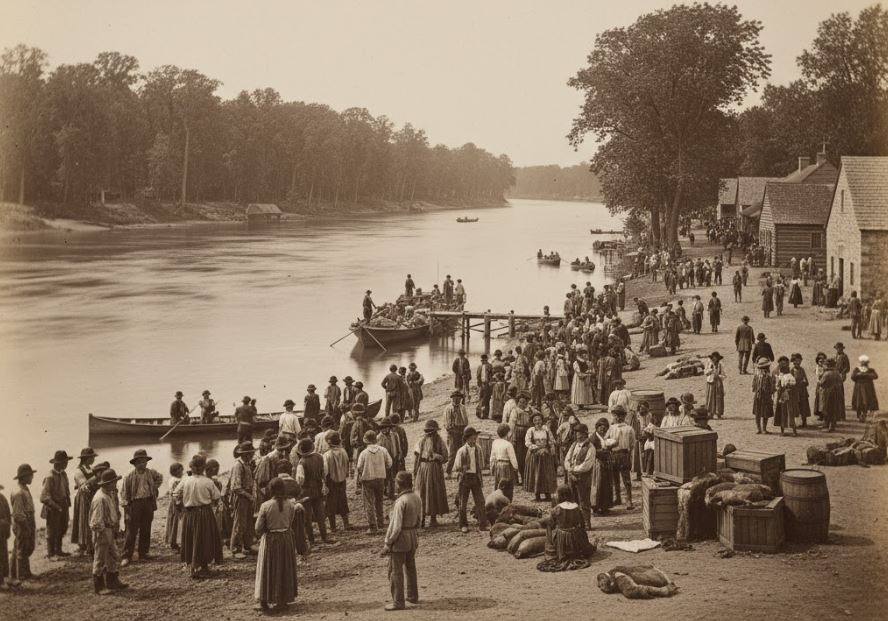 Peoria is the oldest European settlement in Illinois, tracing its roots to Fort Pimiteoui, established by Henri de Tonti in 1691. It sits on the ancestral lands of the Peoria (Illiniwek) people. While the town was burned and temporarily abandoned during the War of 1812, its initial founding predates the continuous settlement of Cahokia (1699). Shawneetown (1814) holds the distinction of being one of the earliest legally incorporated American towns.
Sources
- Illinois State Museum. "The French in Illinois."
- City of Peoria. "History of Peoria."
- Peoria Historical Society. "Peoria's Timeline."
- Encyclopedia of Chicago. "Illinois History."
- Illinois Department of Natural Resources. "Fort Creve Coeur State Park."
