


 NEBRASKA - Nebraska has famously branded itself as "The Good Life," offering a stable economy and low stress. In 2026, life is still good, but the price tag has gone up. While the state remains an affordability fortress compared to the coasts, the "Middle Class" here is facing a unique squeeze. The cost of buying a home has risen, and while there is no ocean view to pay for, the property taxes often rival those in New York or New Jersey.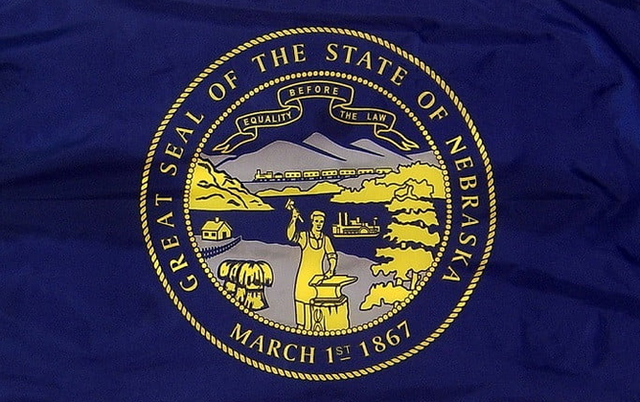
The "On Paper" Middle Class: $50k to $149k
If you look at the raw census data, the barrier to entering the middle class in Nebraska is standard for the Midwest.
- Statewide Range: $49,722 to $149,180.
- The Comparison: This is nearly identical to Wisconsin or Georgia.
- The Reality: While $50,000 is technically "middle class," in Omaha or Lincoln, that income often means renting a one-bedroom apartment. You aren't poor, but you certainly aren't buying a house in District 66.
The "Real" Cost of Comfort: The $210k Benchmark
The most jarring number for 2026 is the gap between "getting by" and "living comfortably."
- Family of Four: To live comfortably—defined as owning a newer home, two reliable cars, and funding retirement/college—a family now needs an annual income of $210,000.
- Single Adult: A single person needs roughly $88,500 to maintain a secure lifestyle.
- The Driver: Why so high? It’s the taxes. You might buy a house for $350,000 (cheap!), but you will pay nearly **$7,000 a year** in taxes on it forever. That eats up disposable income fast.
The "Three Nebraskas" Divide
Your dollar's value depends entirely on whether you are in the Metro or the Panhandle.
1. Omaha (The Buffet Bubble)
Omaha is a corporate powerhouse (home to several Fortune 500s), and it prices like one.
- The Shift: West Omaha (Elkhorn, Millard) has seen home prices surge.
- The Cost: A household income of $115,000 is the new baseline to buy a nice family home here.
- The Competition: You are competing against well-paid employees from Mutual of Omaha, Union Pacific, and the tech sector, keeping the floor high.
2. Lincoln (The Silicon Prairie)
The capital city is slightly more affordable, but the gap is closing.
- The Dynamic: Driven by the University and a growing startup scene ("Silicon Prairie"), Lincoln has a tight housing market.
- The Number: A household earning $90,000 can still live well here, but competition for starter homes near good schools is fierce.
3. Rural Nebraska (The Grand Island/Kearney/Scottsbluff Tier)
- The Bargain: You can still buy a solid home for $225,000 to $275,000.
- The Trade-off: While housing is cheap, amenities are fewer. However, for remote workers, towns like Kearney offer arguably the best value proposition in the Great Plains—high-speed internet with 1990s housing prices.
The "Hidden" Tax: Property Levies
You cannot talk about Nebraska's finances without addressing the tax bill.
- The Rate: Nebraska has one of the highest effective property tax rates in the country (often 1.6% to 2.2% depending on the district).
- The Impact: On a $400,000 home, you are paying roughly **$600 a month** just to the government. This significantly reduces your buying power compared to a low-tax state like Colorado or Utah, where that money could go toward the principal.
The Minimum Wage Advantage
One bright spot for the working class in 2026 is the paycheck floor.
- The Rate: As of January 1, 2026, Nebraska’s minimum wage is $15.00 per hour.
- The Comparison: Just across the river in Iowa, the minimum wage is still $7.25.
- The Result: This makes Nebraska a magnet for low-wage labor in the region, but it also pushes up the cost of services (fast food, childcare, lawn care) for the middle class.
In 2026, Nebraska is a state of trade-offs.
If you earn $120,000+, you can live an exceptionally high-quality life here, with short commutes and safe neighborhoods. But you have to accept that you aren't really owning your home; you're renting it from the county assessor. For the middle class, the "Good Life" is available, but the monthly subscription fee (taxes) is higher than you think.
Watch this video to get a realistic look at the pros and cons of living in Omaha, specifically highlighting the cost of housing and daily life: Living in Omaha Nebraska - The Honest Truth.
